Configuring Modbus sensors for remote monitoring is essential for enhancing industrial processes. This configuration enables real-time data access, which supports prompt decision-making and effective resource management.
The Modbus protocol’s master-slave communication architecture improves device interaction and accommodates both serial and TCP/IP networks. Ensuring precise data collection and thorough sensor calibration is crucial for obtaining reliable measurements.
By integrating these sensors into existing systems, organizations can boost operational efficiency and sustainability. Real-world applications further demonstrate the significant advantages of this setup.
Understanding Modbus Communication Protocols

Modbus is a prevalent communication protocol utilized in industrial automation, recognized for its straightforwardness and effectiveness in enabling device communication. The Modbus framework operates on a master-slave model, where a master device sends requests and slave devices provide responses. This arrangement facilitates efficient management of multiple devices in a network, enabling smooth data transfer. Modbus finds applications across various industries, including manufacturing, energy, and facility automation, where real-time monitoring and control are crucial. The protocol accommodates both serial communications (RTU and ASCII) and TCP/IP, making it adaptable to different settings. A comprehensive understanding of these core components is essential for professionals aiming to successfully deploy Modbus-based systems, thereby ensuring reliable data exchange and enhanced operational efficiency in automation tasks.
Key Benefits of Remote Monitoring
Remote monitoring technology significantly enhances operational efficiency across various industries by enabling the management and oversight of equipment and processes from remote locations. This innovative approach allows for swift troubleshooting, as technicians can diagnose and resolve issues without needing to be physically present, which minimizes downtime and keeps operations running smoothly. Furthermore, adopting remote monitoring systems can lead to significant cost savings through better resource allocation and reduced labor costs compared to traditional monitoring techniques. With real-time data access and notifications, teams can quickly make informed decisions, thereby improving overall operational effectiveness and sustainability. Consequently, the strategic use of remote monitoring is crucial for contemporary industrial settings.
Enhanced Data Collection and Analysis
Enhanced data collection and analysis are essential for effective remote monitoring, particularly when integrating Modbus sensors. Data accuracy directly affects decision-making and overall system performance. Correct sensor selection and installation, together with calibration when required, help ensure that measurements reflect actual operating conditions. This reduces the effect of environmental influences and potential measurement deviations, providing reliable data for further analysis. Advanced analytics tools can then identify trends, detect abnormal conditions early, support predictive maintenance and optimise system operation. As a result, organisations can reduce downtime and improve the reliability of their remote monitoring systems.
Seamless Integration With Existing Systems
For successful remote monitoring systems, seamless integration with existing infrastructure is essential to enhance efficiency and functionality. This integration can present various challenges, especially regarding sensor compatibility. Organizations must ensure that newly implemented Modbus sensors can effectively communicate with legacy systems, which may require a thorough assessment of communication protocols and data formats. Understanding these technical specifications is vital for addressing compatibility issues. Additionally, addressing potential integration challenges early in the deployment process can facilitate smoother implementation and improve overall system performance. This proactive strategy not only reduces downtime but also ensures that the remote monitoring system’s full capabilities are harnessed. Ultimately, seamless integration promotes a more unified operational environment, leading to better data utilization and informed decision-making.
Alledio Modbus Sensors: Professional-Grade Solutions
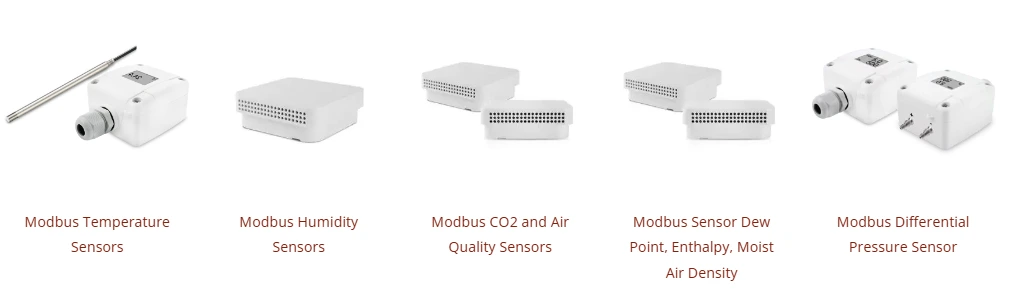
For reliable remote monitoring implementations, the Alledio Modbus sensor platform offers industrial-grade performance with seamless integration capabilities. These sensors combine accurate data acquisition with robust Modbus RTU and Modbus TCP communication, making them suitable for demanding industrial environments. The platform supports various measurement types including temperature, humidity, and pressure, all accessible through standard Modbus registers for straightforward configuration and deployment.
Case Studies: Successful Implementations of Modbus Sensors
Case studies of Modbus sensor implementations demonstrate significant improvements in remote monitoring across various sectors. In the energy industry, these initiatives have improved grid management through real-time data collection from a network of sensors. In water treatment facilities, Modbus sensors provide ongoing monitoring of chemical levels, ensuring compliance with regulations and enhancing operational efficiency. Additionally, in manufacturing, the use of Modbus sensors supports predictive maintenance, minimizing downtime and boosting productivity. These varied applications highlight how Modbus technology not only simplifies data gathering but also supports better decision-making. The effective deployment of Modbus sensors emphasizes the need for modern monitoring solutions to achieve operational excellence and maintain a competitive edge in an increasingly data-centric environment.
Frequently Asked Questions
What Types of Sensors Are Compatible With Modbus Communication?
Sensors that are compatible with Modbus communication include various types, such as temperature sensors, pressure sensors, flow sensors, and humidity sensors. These devices are essential for accurate data acquisition and control, thereby enhancing industrial automation and monitoring. By integrating these sensors, organizations can optimize system management and improve performance across a wide range of applications.
How Do I Troubleshoot Modbus Sensor Connectivity Issues?
When troubleshooting Modbus sensor connectivity, first check the sensor power supply, the A/B wiring of the RS‑485 connection, the Modbus device address, baud rate, parity and stop bits. Confirm that the communication settings match those of the controller, BMS or gateway. For longer RS‑485 connections, use a correct bus topology and, where required, termination resistors.
Can Modbus Sensors Be Used in Hazardous Environments?
Modbus sensors can be deployed in hazardous environments if they are specifically engineered for such applications. It is crucial to verify that these sensors possess the necessary safety certifications and protective features to ensure both operational reliability and the safety of personnel.
What Is the Typical Lifespan of Modbus Sensors?
The lifespan of Modbus sensors can vary significantly due to several factors, including the sensor’s durability, the conditions of the operating environment, maintenance practices, and the specific design specifications. These factors work together to determine the sensor’s performance and reliability throughout its operational lifespan.
Are There Specific Software Requirements for Modbus Sensor Configuration?
The configuration of Modbus sensors requires specific software that is compatible with various communication protocols. It is essential for users to utilize appropriate configuration tools to ensure effective integration and reliable communication between devices. This will enhance performance and ensure accurate data transmission.