
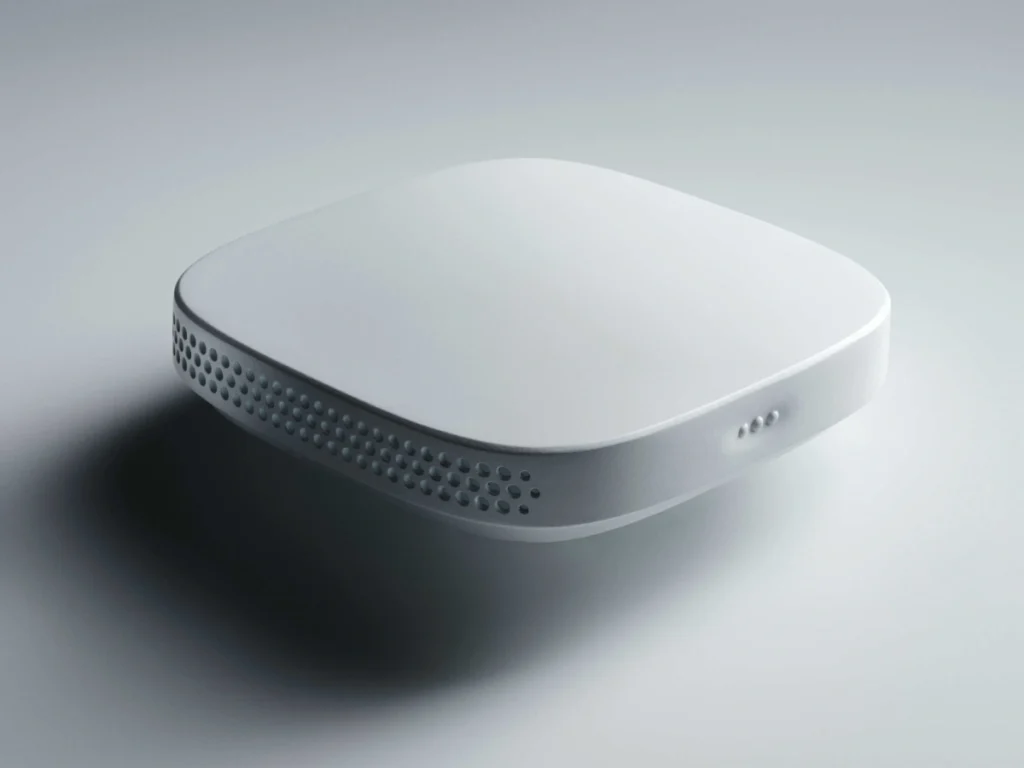
Alledio ANM is the Modbus-only indoor room-sensor family for OEM HVAC brands. Six wall SKUs share one 19 mm housing and speak Modbus RS485 only — temperature, humidity, VOC, CO2, pressure and presence, depending on the model. Specify this range when you need white-label room sensors that drop onto an existing Modbus bus, not a dual-protocol device and not a display controller.
This hub is the Andivi product tree for OEM Modbus room sensors. It is not the industrial / duct / outdoor Modbus catalogue, and it is not the BACnet Alledio line. Need the same hardware on BACnet? See the Alledio BACnet sensors.


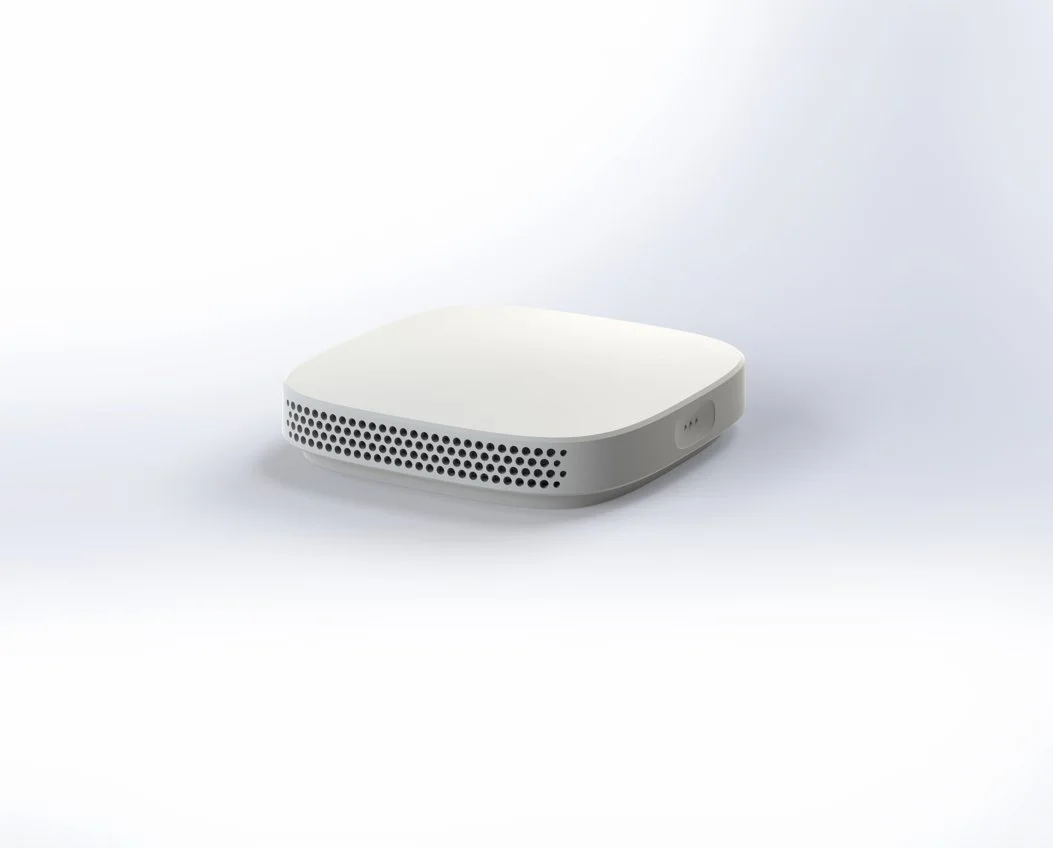
The Essentials and Beyond
The Alledio ANM Modbus room sensors measure temperature, humidity, CO2, VOC, particulate matter, pressure and detect in-room presence.
Beyond these key measurements, the sensor can also compute essential values relevant for HVAC – such as dew point, density of moist air, and enthalpy making it a comprehensive tool for monitoring and optimizing indoor environments.
Alledio Multi Sensor is a Red Dot Award winner 2026 in Product Design category.


ANM Modbus Sensors Measure
Temperature
(°C / °F)
Humidity
(% r.h.)
CO2
(ppm)
Air Quality – VOC
(VOC index)
Pressure
(mbar)
Presence
(I/O)
PM 2.5
( µg/m³)
Custom Sensor
(upon request)

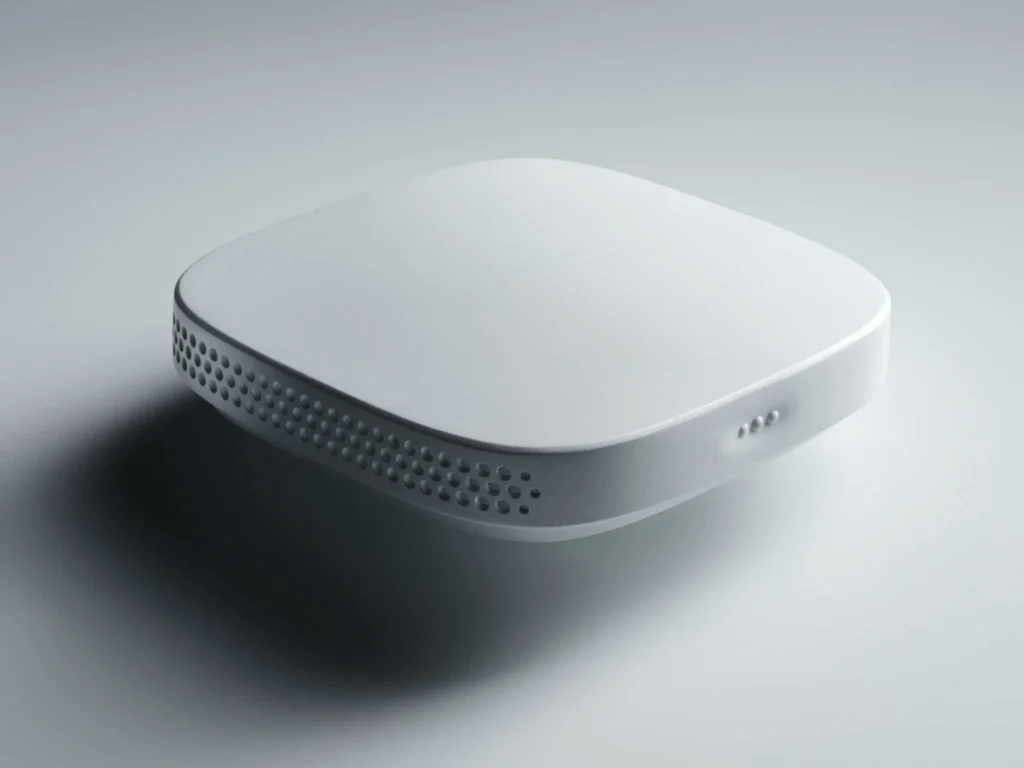
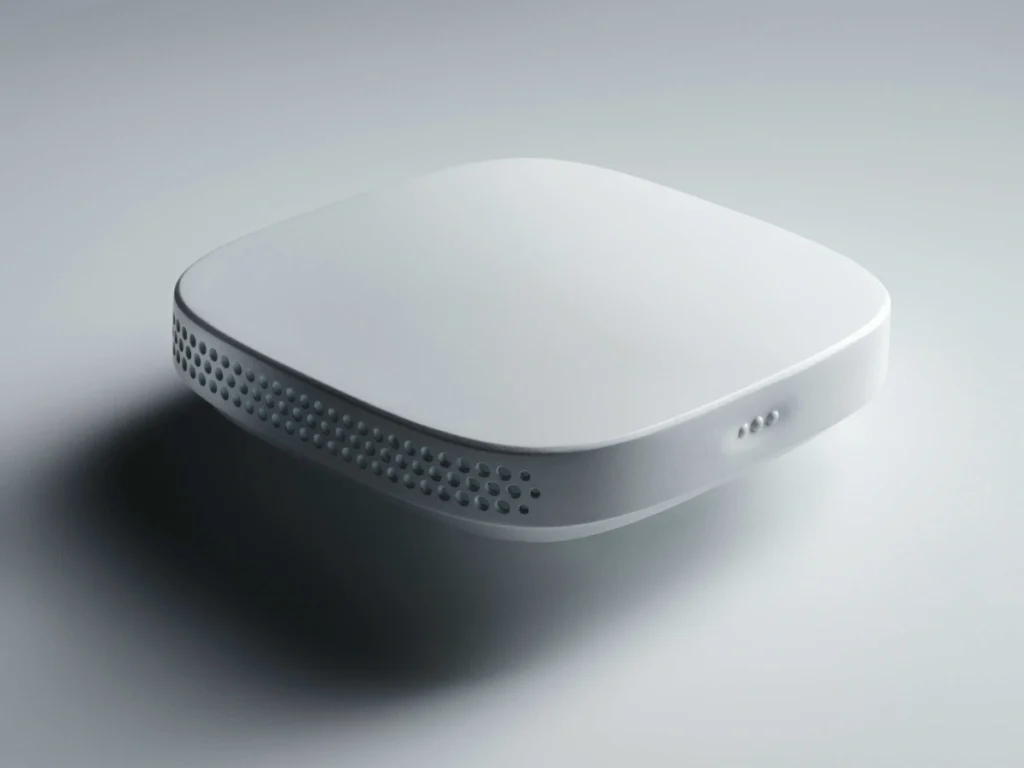
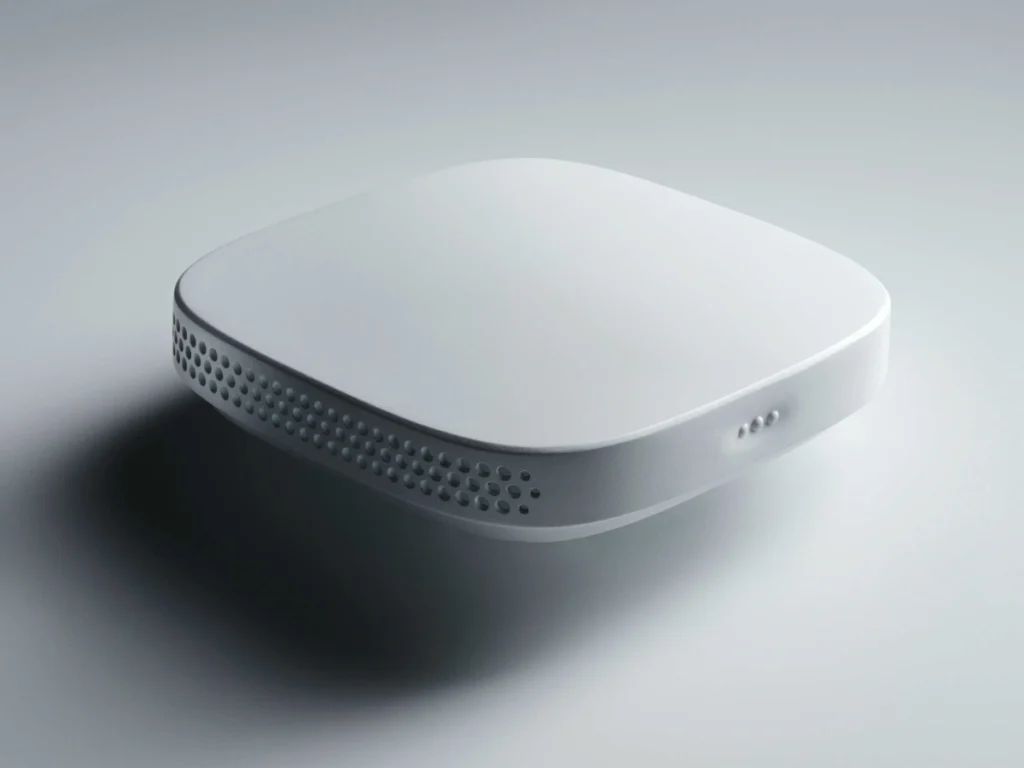
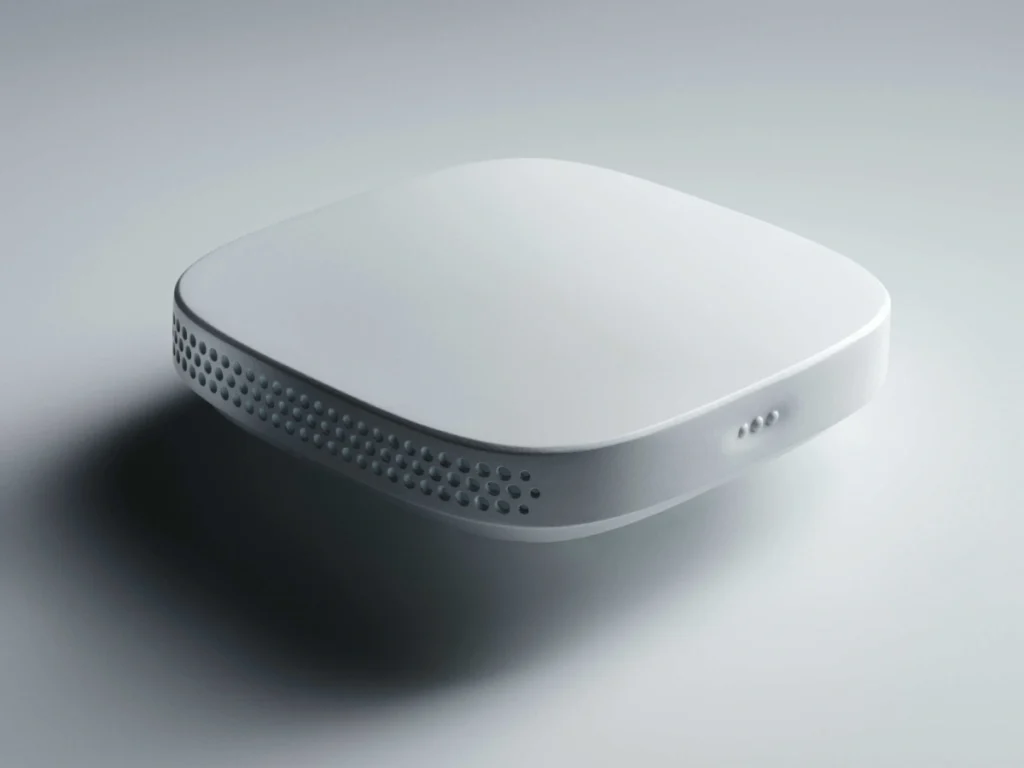
Housed in a sleek, indoor-compatible ABS case (Color RAL 9010) with an IP30 protection rating, the ANM sensor is designed for both standard indoor settings and industrial applications, such as air handling units (AHUs) and various HVAC systems.
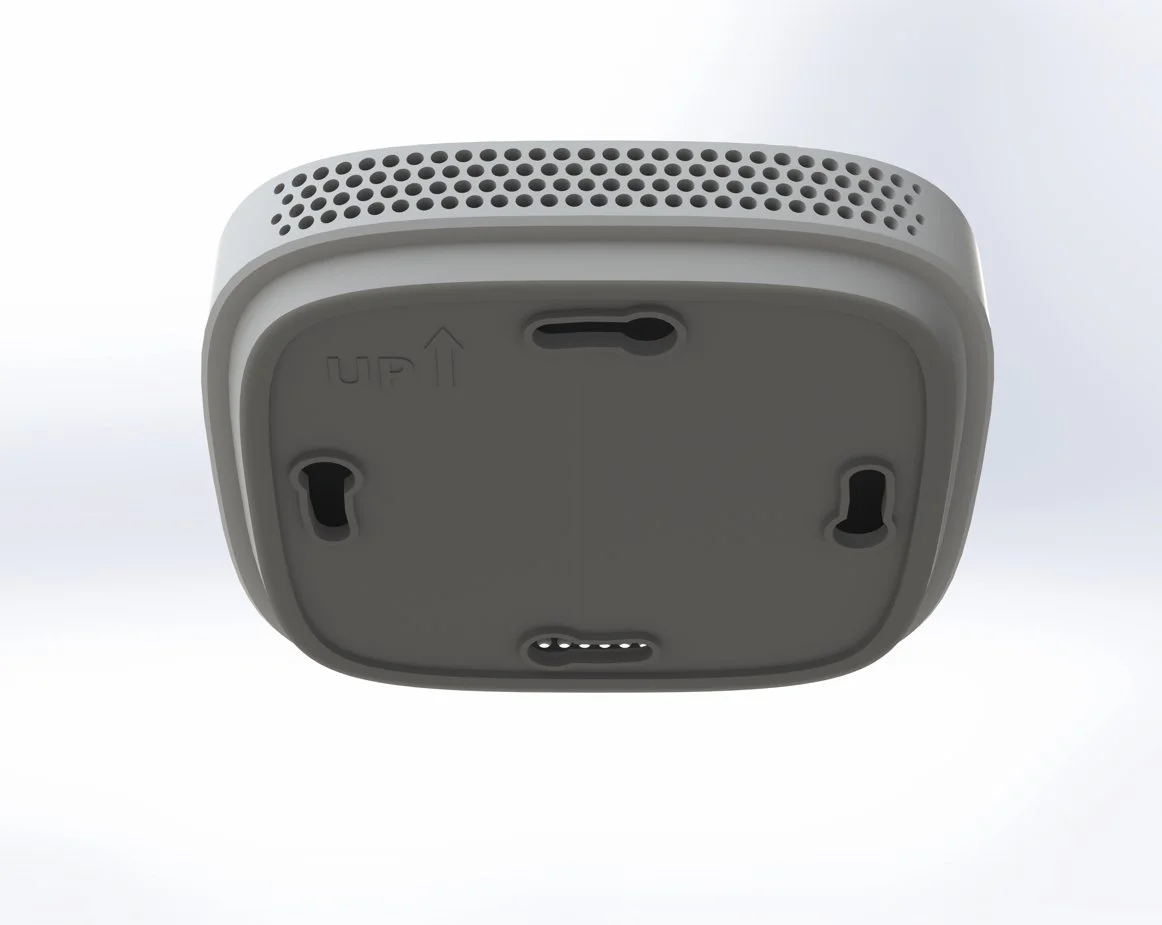
Setup is streamlined and intuitive—using a smartphone, you can quickly configure the Modbus address, set data parameters, and easily adjust sensor offsets, eliminating the need for traditional DIP switches.
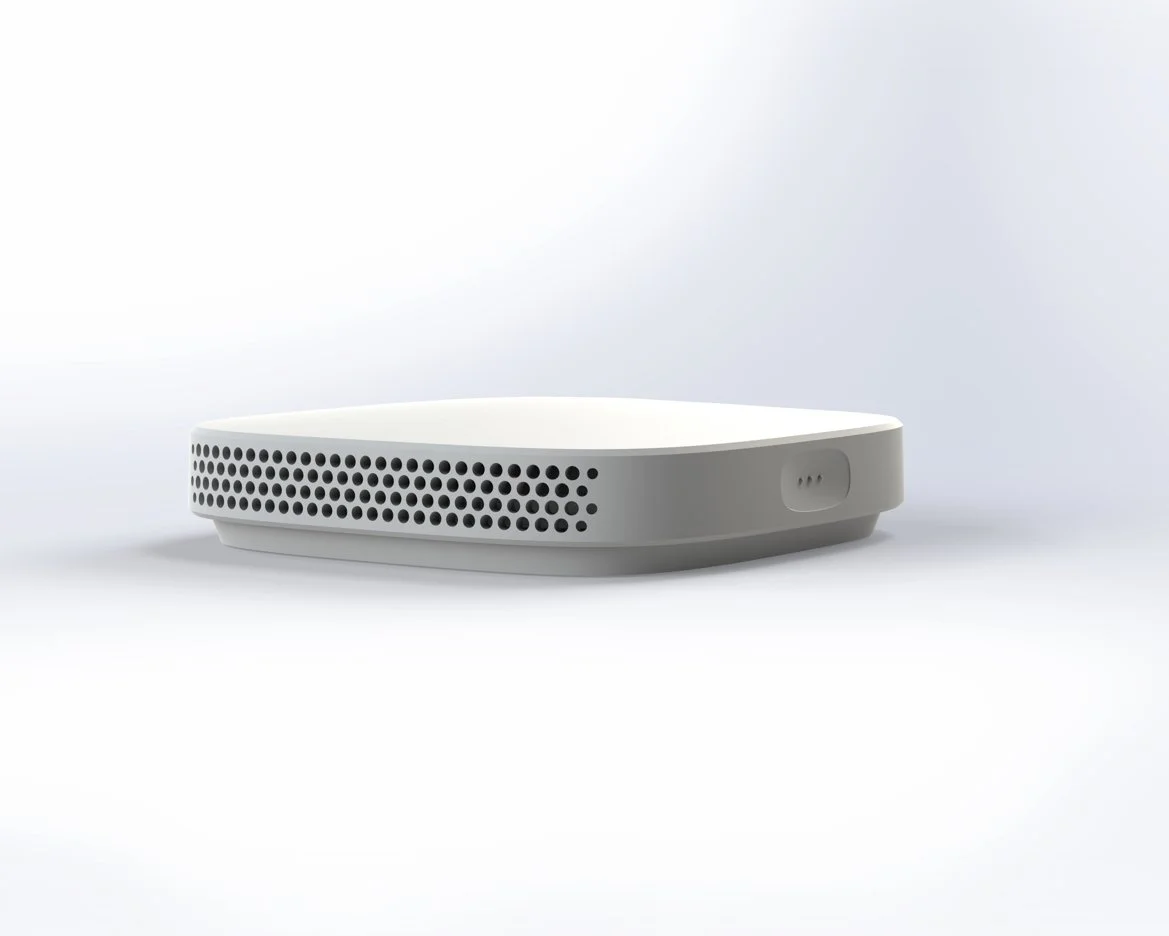
OEM Modbus sensors are essential components in modern building automation, providing the necessary data and interoperability to enhance building operations and occupant comfort.
Red Dot Awarded Design
The Alledio Multi Sensor is a recipient of the Red Dot Design Award 2026 in the Product Design category — one of the most prestigious international design honours. The international jury recognised the product’s ability to unite advanced sensing performance with a restrained, minimalist design language that integrates seamlessly into modern commercial and public interiors.
The award marks a milestone that validates the Andivi’s commitment to developing building automation hardware that is simultaneously technically ambitious and design-driven — a balance rarely achieved in the industry.

High Quality + Warranty
All of our sensors meet the following standards:
All Alledio sensors are made and designed in Slovenia (EU) and ensure accurate measurement with high precision. We provide a 1-year warranty for all Alledio ANM Modbus sensors.


Modbus RS485 only — commissioning without DIP switches
The Andivi ANM room sensor is designed for precise monitoring of temperature, humidity, VOC levels, and CO2, pressure, presence, enthalpy, dew point and density of moist air; making it a versatile solution for various environments. Every ANM SKU is protocol-locked to Modbus RS485, integrating into any building management system over an existing Modbus RS485 bus.
Configuration is as easy as it gets. Simply tap the sensor with your smartphone (NFC): a hidden Wi-Fi access point reachable within roughly 2 m opens a mobile web-app in your web browser. Set the Modbus address, baud rate, parity, stop bits, bus termination and sensor offsets. From there, you can quickly set up all the necessary Modbus settings without the hassle of adjusting tiny DIP switches. This intuitive approach streamlines the setup process, ensuring that your sensor is ready to communicate with your system in no time.
This is a device agnostic solution. No mobile apps have to be downloaded, as the app loads in the web browser on your smart phone.
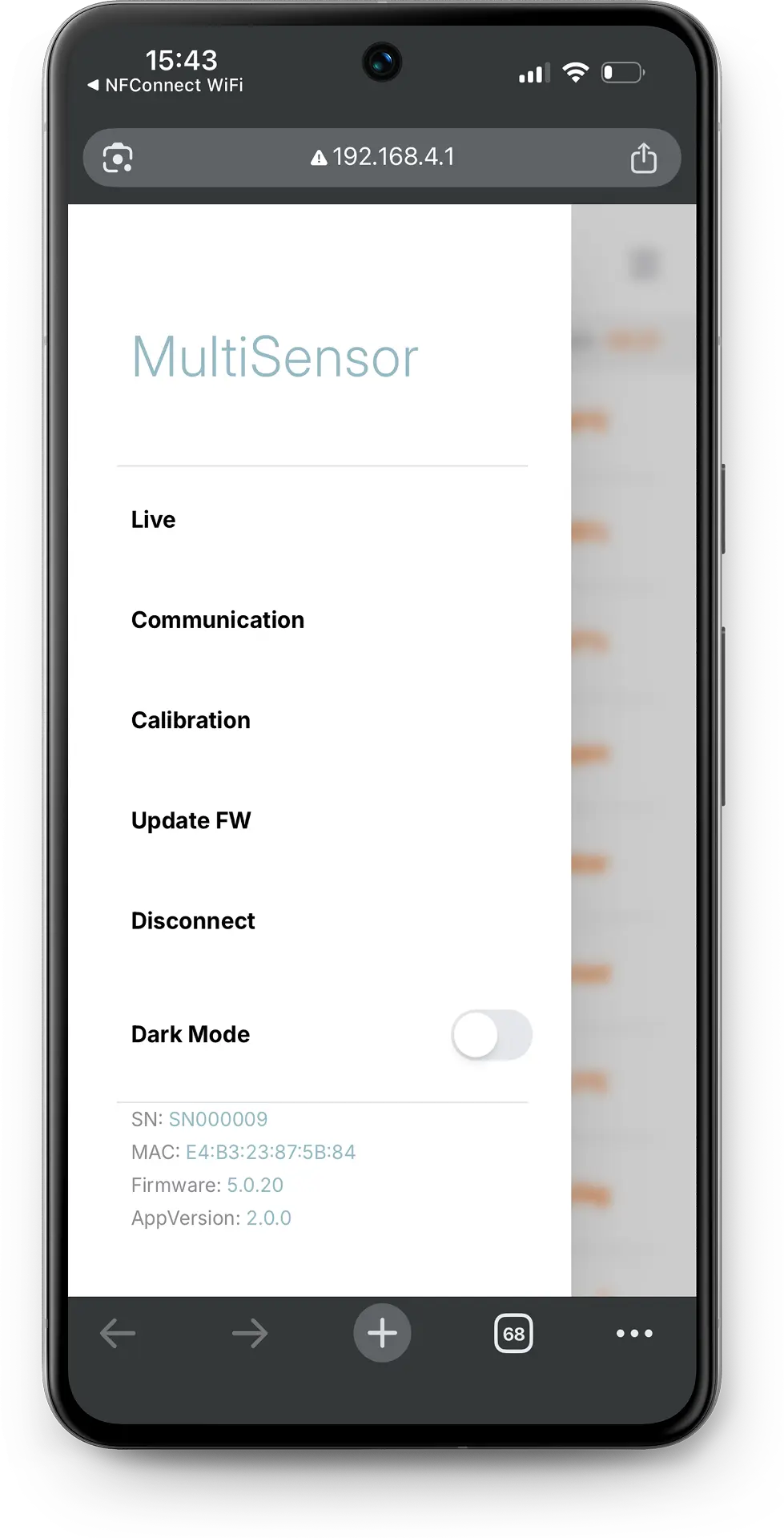
Multi-Sensor Web App: Accessible on any mobile web browser.
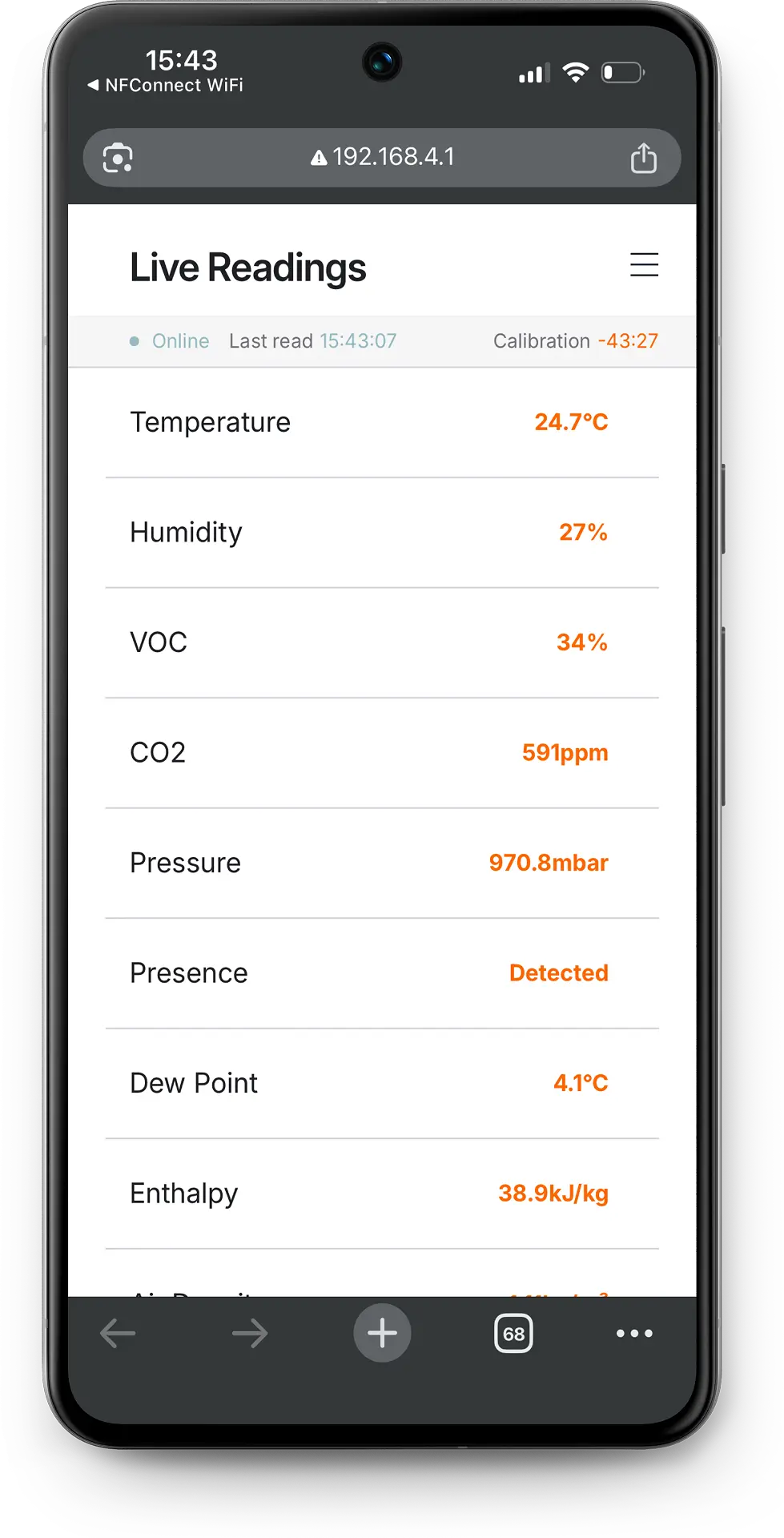
Reading real-time measured values from the sensor by tapping the sensor with a smartphone.
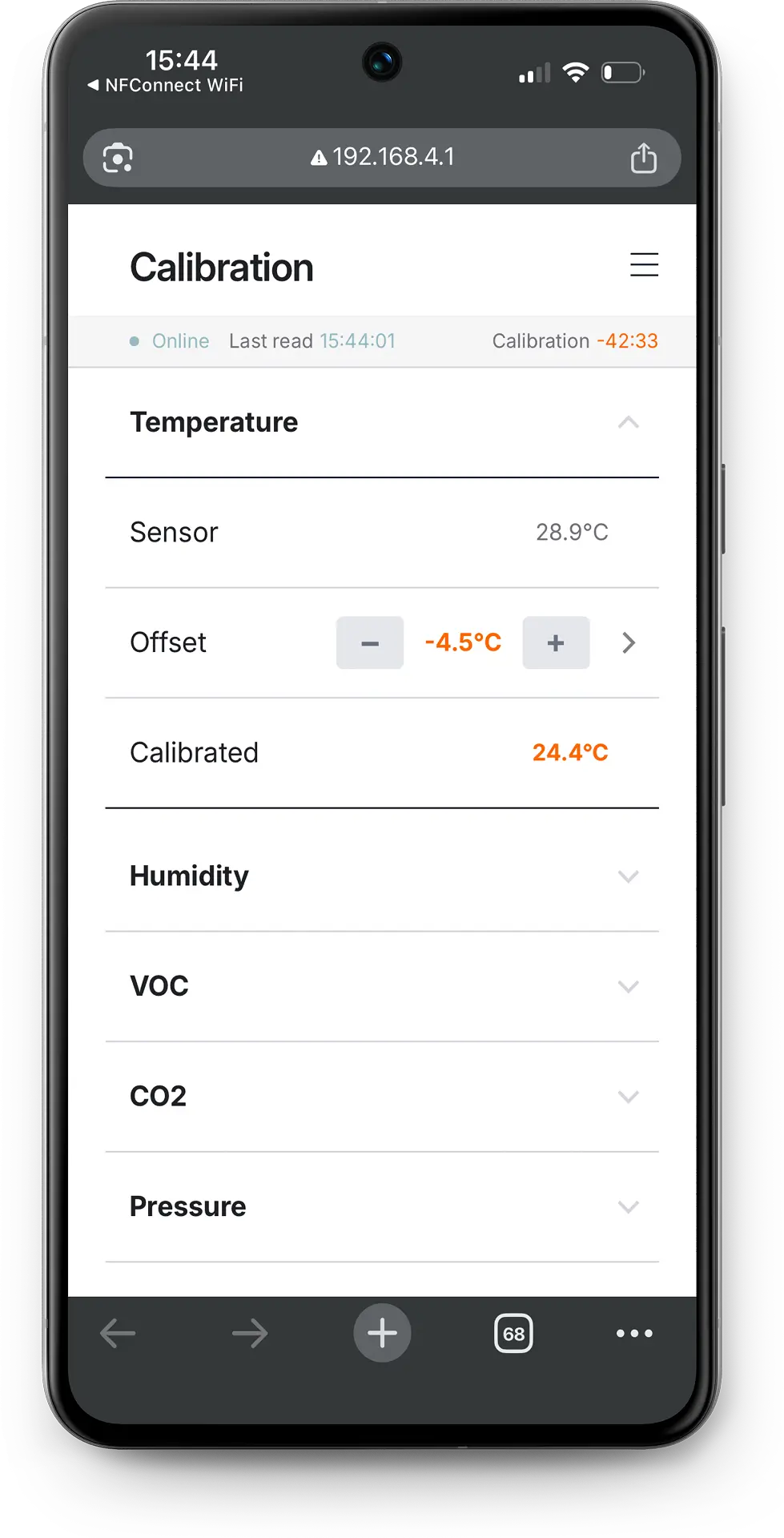
On-device sensor calibration by setting precise offsets can be done via mobile web app only with a quick tap on the sensor case.
Commissioning & setting up Modbus parameters; e.g. Modbus Address, Baud rate.
Commissioning via the hidden Wi-Fi web-app within ~2 m; no app download, no DIP switches.
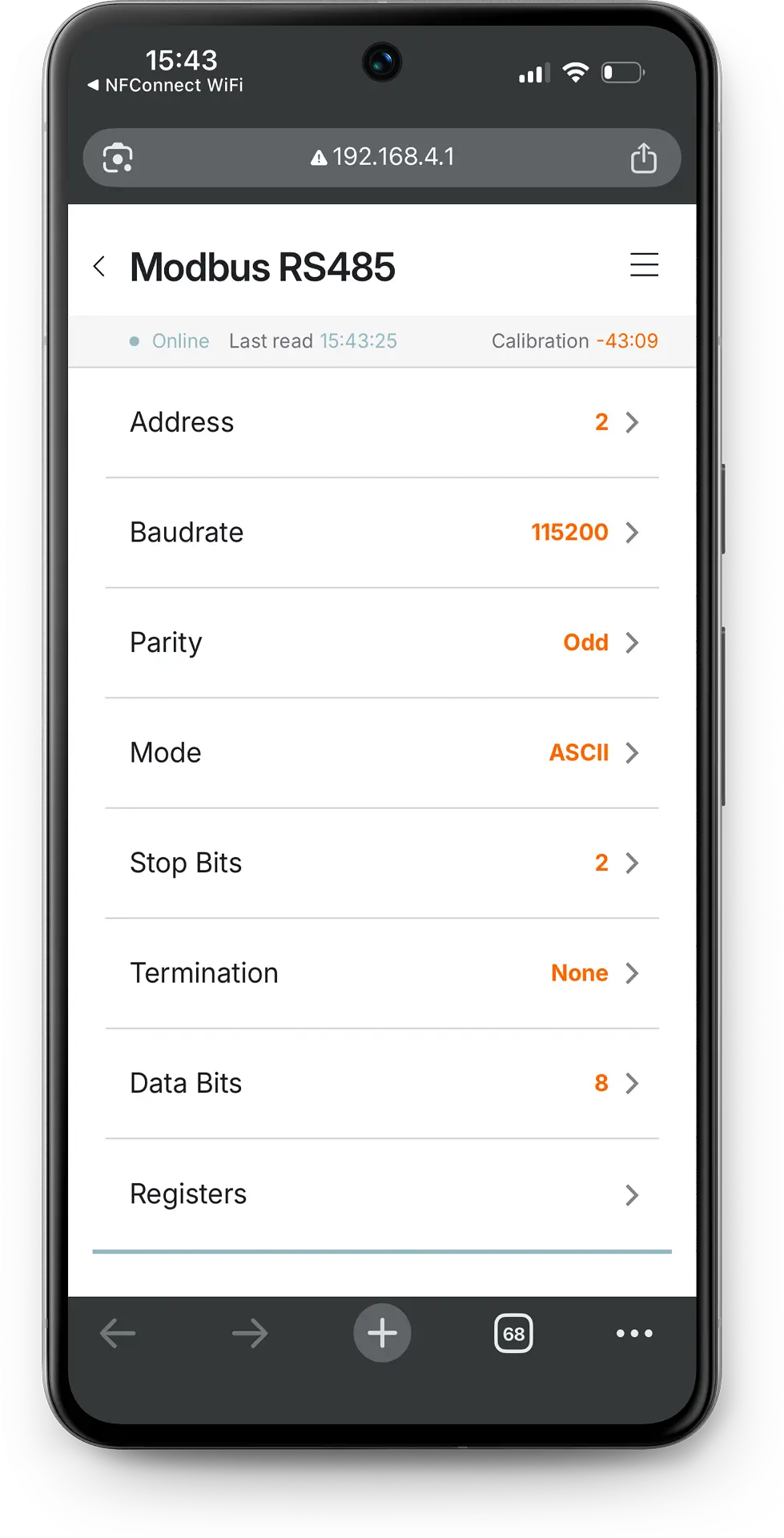
Commissioning & setting up Modbus parameters; e.g. Modbus Address, Baud rate, Parity, Stop Bits, Termination, Offsets.
Various OEM Modbus Room Sensors – Indoor Sensors
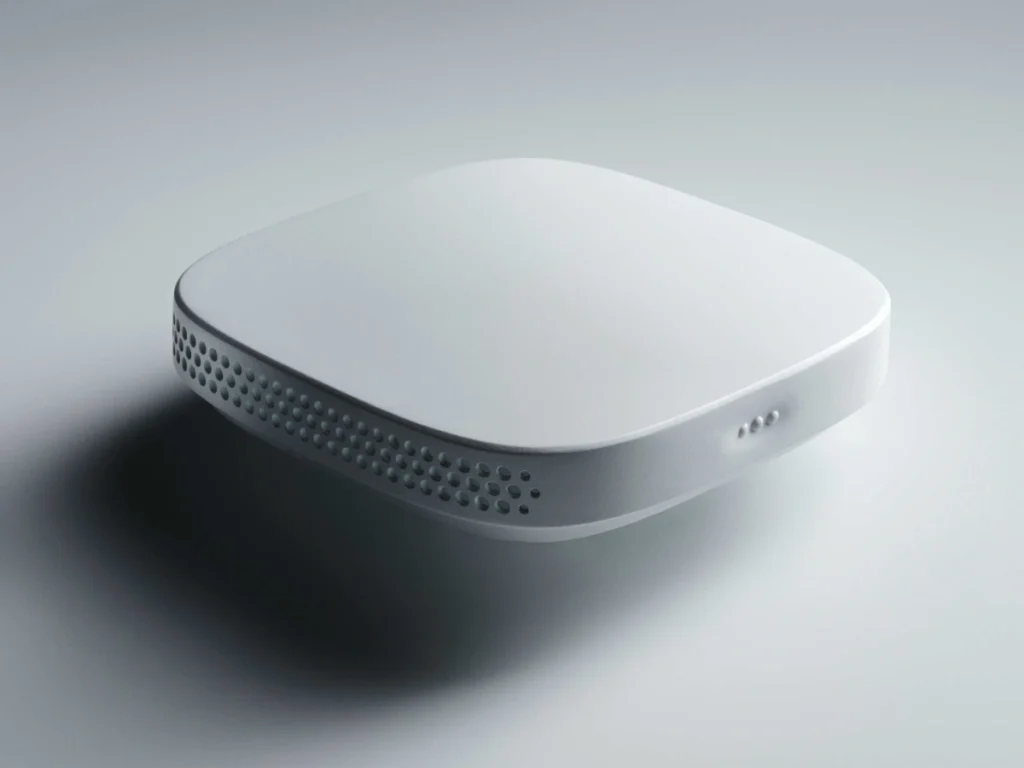
HVAC Application of Various Sensors
In HVAC systems, temperature sensors help control heating and cooling, ensuring indoor environments stay within the desired comfort range while also optimizing energy use.
Temperature
In HVAC temperature sensors are vital for controlling indoor climate in office buildings, public buildings, etc; ensuring accurate heating in homes, condominiums and residentials units, monitoring and optimizing cooling systems in data centers where precise temperature control prevents overheating.
Heating & Cooling
In HVAC systems, temperature sensors help control heating and cooling, ensuring indoor environments stay within the desired comfort range while also optimizing energy use.
Air Handling Units (AHUs)
In air handling units (AHU), temperature sensors regulate the flow of heating or cooling water. This helps control the temperature of supply air to different zones to maintain consistent comfort throughout a building.
Temperature Offset
An offset allows you to adjust the sensor’s readings to match real conditions, compensating for small discrepancies. This is useful when the sensor is placed near a heat source or draft, ensuring the readings reflect the actual room temperature.
Comfort = temperature × humidity
Temperature and humidity work together to shape how we feel. Higher humidity can make a room feel warmer than it is, because our bodies struggle to cool down through sweating. That’s why balancing both is key to achieving a comfortable indoor climate.
Felt Vs. Actual Temperature
Felt temperature, or “apparent temperature,” takes into account factors like humidity and wind that affect how warm or cold it feels to us, compared to the actual temperature, which is a straightforward reading of the air’s thermal state.
Measurement Units
Temperature tells us how hot or cold something is and is essential in understanding comfort and energy usage. In the EU, it’s commonly measured in degrees Celsius (°C), while in the USA, degrees Fahrenheit (°F) are the norm.
Humidity
Humidity sensors in HVAC systems help maintain balanced indoor environments by controlling dehumidifiers and humidifiers. By accurately measuring and adjusting humidity levels, these sensors ensure that the air quality is optimal, contributing to both comfort and energy efficiency.
Use Cases for Humidity Measurement in HVAC
- Indoor Air Quality: Humidity sensors ensure air within buildings is neither too dry nor too humid, supporting comfort and health.
- Mold Prevention: By monitoring and controlling humidity, these sensors help prevent mold growth in buildings.
- Comfort Optimization: Sensors adjust HVAC systems to maintain comfortable humidity levels, enhancing overall indoor experience.
- Energy Efficiency: Controlling humidity can reduce the load on HVAC systems, saving energy.
- Industrial Applications: In manufacturing environments, controlling humidity is vital for product quality and worker comfort.
AHU application
In AHUs, humidity sensors work alongside temperature sensors to control humidification or dehumidification to maintain optimal indoor conditions, avoiding condensation or excessive dryness.
Offsetting Humidity
An offset adjustment ensures the sensor readings align with actual humidity levels, especially in tricky locations where airflow or nearby equipment might skew results. It fine-tunes accuracy for better climate control.
Absolute Vs. Relative humidity
Absolute humidity refers to the actual amount of moisture in the air, while relative humidity compares the moisture present to the maximum amount the air can hold at a given temperature. Relative humidity is more practical for HVAC because it helps balance comfort and air quality.
HVAC Applications
Humidity sensors help maintain a balanced indoor environment, preventing the air from becoming too dry or too humid, which can impact comfort and energy use. They ensure systems respond appropriately to changing moisture levels.
Relationship with Temperature
Higher humidity levels make a space feel warmer because moisture makes it harder for sweat to evaporate, impairing our natural cooling system. Maintaining a relative humidity between 40-60% typically ensures comfort without feeling too muggy or dry.
Measurement Units
Humidity is the amount of moisture in the air. It’s usually measured as a percentage, called relative humidity, both in the EU and USA. Controlling humidity ensures indoor comfort and prevents issues like mold.
VOC (Volatile Organic Compounds)
VOC sensors enable HVAC systems to adjust ventilation automatically, improving air quality by detecting harmful gases or reducing harmful exposure to chemicals. In AHUs, VOC sensors detect contaminants, prompting the system to increase fresh air intake or boost filtration, maintaining a clean and healthy indoor environment.
Use Cases for VOC Measurement in HVAC
- Office Buildings: VOC sensors detect emissions from office equipment and furnishings, ensuring a healthy work environment.
- Schools: Monitoring VOCs in classrooms helps maintain air quality, crucial for student health and concentration.
- Healthcare Facilities: VOC sensors are vital in hospitals to monitor air quality, reducing the risk of airborne contaminants.
- Industrial Settings: In factories, VOC sensors ensure air quality by detecting harmful emissions from chemicals or processes.
- Residential Buildings: VOC sensors in homes help maintain air quality, especially in areas with new construction or renovations.
AHU application
In AHUs, VOC sensors work alongside temperature and humidity sensors to control outside fresh airflow to maintain optimal indoor air quality at all times.
VOC levels affect wellbeing
High levels of VOCs can lead to headaches, dizziness, and long-term health risks. Maintaining low VOC levels helps ensure a pleasant, healthy indoor atmosphere.
Offsetting VOC levels
Offsets allow VOC sensors to be recalibrated based on specific conditions, ensuring accurate detection in areas with potentially fluctuating air quality, like near manufacturing equipment.
HVAC Applications
VOC sensors help maintain a balanced indoor environment by preventing excessive contamination from indoor pollutants, which could negatively impact the comfort and health of occupants. Additionally, they help avoid unnecessarily low VOC levels, reducing excessive fresh air intake and conserving energy.
Indoor Air Quality (IAQ)
The Indoor Air Quality (IAQ) index provides a rating of overall air quality based on pollutants like VOCs, CO2, and particles. A good IAQ ensures that indoor air is safe and comfortable for occupants.
Measurement Units: ppm, ppb
Volatile Organic Compounds (VOCs) are chemicals released into the air from materials like paint or cleaning products. They are usually measured in parts per billion (ppb) or parts per million (ppm) to assess air quality. VOCs include gases like formaldehyde, benzene, and toluene.
PM2.5 (Particulate matter)
PM2.5 sensors provide real-time monitoring of fine particulate matter—tiny airborne particles with a diameter less than 2.5 micrometers—that are invisible to the naked eye but can significantly impact indoor air quality and human health. By continuously measuring PM2.5 concentrations, these sensors enable building automation and HVAC systems to respond dynamically to changing air quality conditions, helping to protect occupants from harmful pollution sources such as outdoor smog, indoor activities, or industrial emissions.
Use Cases
- Commercial Buildings: Protects occupants from outdoor pollution and indoor sources (e.g., printers, cooking, construction dust).
- Schools and Daycares: Safeguard vulnerable populations such as children from exposure to fine particles.
- Healthcare Facilities: Maintains stringent air quality standards to protect patients with respiratory conditions.
- Industrial Settings: Monitors particulate levels from manufacturing processes to ensure worker safety and process quality.
AHU application
In AHUs, PM2.5 sensors monitor fine particulate levels in supply or return air. The system can automatically adjust ventilation or filtration to maintain clean, healthy indoor air and meet air quality standards. This ensures effective removal of harmful particles and protects occupant wellbeing.
PM2.5 Levels Affect Wellbeing
High levels of PM2.5 can have a serious impact on health and wellbeing. Fine particulate matter can reach deep into the lungs and even enter the bloodstream, increasing the risk of heart disease, stroke, lung cancer, and chronic respiratory conditions. Prolonged exposure to elevated PM2.5 is linked to reduced lung function, worsening of asthma, and other long-term health effects. Sensitive groups—such as children, the elderly, pregnant women, and people with existing heart or lung diseases—are particularly vulnerable. Even at lower concentrations, PM 2.5 can contribute to discomfort, fatigue, and reduced cognitive performance. Maintaining low PM2.5 levels in indoor environments is essential for safeguarding occupant health, ensuring comfort, and supporting overall wellbeing.
Offsetting PM2.5
PM2.5 sensors allow for offsetting, enabling users to recalibrate sensor readings to match specific installation environments. This adjustment ensures precise and reliable PM .5 measurements, even in locations with unique background conditions or airflow patterns. Accurate offsetting helps maintain consistent air quality monitoring across all applications.
HVAC Applications
PM2.5 sensors help HVAC systems maintain healthy indoor air by detecting fine particles from sources like dust, smoke, and outdoor pollution. Real-time PM2.5 monitoring enables automatic adjustments of ventilation and filtration, improving air quality and protecting occupants’ health. These sensors also support energy-efficient operation by allowing the system to increase or decrease airflow only when needed, reducing unnecessary energy use and ensuring compliance with air quality standards
Multi-Sensor Integration
The THPM2.5 variant combines temperature, humidity, and PM2.5 measurement in a single device, enabling comprehensive monitoring of air quality and environmental conditions in any space. This integration simplifies installation, reduces costs, and allows for more efficient data management within building automation systems.
Measurement Units
PM2.5 concentration is measured in micrograms per cubic meter (µg/m³). This unit indicates the mass of fine particulate matter present in a specific volume of air, providing a clear and standardized way to assess indoor air quality
OEM Modbus Sensors FAQ
A white-label indoor sensor that an HVAC manufacturer sells under its own brand, speaking Modbus RS485 to the BMS. Alledio ANM adds custom labels, datasheets and a branded commissioning web-app. It is a sensor — no display, no I/O.
No. The industrial / duct / outdoor catalogue at /sensors/modbus-sensors/ is a different hardware family. ANM is the Alledio indoor wall platform.
No. ANM is Modbus RS485 only. BACnet twins are the ANB pages under /bacnet-sensors/.
NFC tap, hidden Wi-Fi within ~2 m, web-app in the phone browser. Set address, baud, parity, stop bits, termination and offsets. No DIP switches.
Display / setpoint / I/O belong on the OEM room unit, controller or thermostat. ANM only measures and publishes.
Didn't find the desired OEM Modbus sensor?
CONTACT US!