What is BACnet Sensor?
BACnet, short for Building Automation and Control Network, is a standardized communication protocol designed for building automation systems. It enables devices like sensors, controllers, and actuators to share data seamlessly, regardless of the manufacturer. BACnet is widely used in systems controlling heating, ventilation, air conditioning (HVAC), lighting, and other building functions. Sensors in a BACnet system are critical components that detect environmental conditions—such as Temperature, Humidity or Air Quality and transmit this data over the network.
BACnet Sensors operate by representing their data as “objects,” each with properties like current value or status, accessible across the network. For example, a temperature sensor might be an “Analog Input” object, providing real-time readings to a building management system (BMS). Companies like Andivi, which specialize in building automation, often integrate BACnet-compatible sensors into their solutions. These sensors connect via BACnet/IP (using Internet Protocol for faster, scalable communication) or BACnet MS/TP (a slower, serial-based option suited for smaller setups). This interoperability ensures that a sensor from one vendor can work with controllers or systems from another, enhancing flexibility and efficiency.
The practical benefit of BACnet sensors lies in their ability to deliver accurate, real-time data to optimize building operations.
Use Cases of BACnet Sensors in Building Automation
HVAC System Monitoring and Control
BACnet sensors are extensively used in Heating, Ventilation, and Air Conditioning (HVAC) systems to monitor and control temperature, humidity, and air quality. These sensors provide real-time data to optimize energy consumption, ensure occupant comfort, and maintain indoor air quality. For example, temperature sensors can trigger HVAC systems to adjust heating or cooling based on occupancy patterns, reducing energy waste.
Learn more about how enthalpy can improve HVAC performance and energy savings: Efficient Cooling and Handling of Waste Heat in AHUs and The Relevance of Enthalpy
Energy Management
BACnet sensors are integral to energy management systems (EMS) in commercial and industrial buildings. They monitor energy usage, detect inefficiencies, and enable automated responses to reduce consumption. For instance, BACnet-enabled occupancy sensors can turn off lights and HVAC Systems in unoccupied rooms, contributing to significant energy savings.
You can learn more about how enthalpy can enhance energy efficiency in HVAC systems here: How Can Enthalpy Help You Save Energy.
Lighting Control
BACnet sensors are used in smart lighting systems to adjust lighting levels based on occupancy, daylight availability, and user preferences. This not only enhances energy efficiency but also improves the comfort and productivity of building occupants.
Indoor Air Quality (IAQ) Monitoring
With growing concerns about air quality, BACnet sensors are deployed to monitor CO2 levels, volatile organic compounds (VOCs), and particulate matter. These sensors ensure that ventilation systems operate effectively to maintain healthy indoor environments, especially in schools, offices, and healthcare facilities.
Fire and Safety Systems
BACnet sensors are used in fire detection and safety systems to monitor smoke, heat, and gas levels. They provide early warnings and integrate with other building systems to ensure a coordinated response during emergencies.
Occupancy and Space Utilization
BACnet occupancy sensors help optimize space utilization by tracking room usage patterns. This data can be used to improve facility management, reduce operational costs, and support flexible workspace designs.
Predictive Maintenance
BACnet sensors enable predictive maintenance by continuously monitoring the condition of building equipment, such as chillers, boilers, and pumps. By analyzing sensor data, facility managers can identify potential issues before they lead to equipment failure, reducing downtime and maintenance costs.
For example, monitoring air density with sensors can help optimize HVAC performance and improve air treatment efficiency.
Learn more about the role of Moist Air Density in Efficient Air Treatment and how it contributes to predictive maintenance.
Integration with IoT and Smart Buildings
BACnet Sensors are a cornerstone of IoT-enabled smart buildings. They facilitate the integration of various systems, such as HVAC, lighting, and security, into a unified platform. This interoperability allows for centralized control, data analytics, and enhanced decision-making.
Various models of BACnet Sensors


What is Modbus Sensor?
The Modbus Protocol is a communication standard used to connect industrial devices like sensors, controllers, and actuators. It operates on a master-slave architecture, where a master device (e.g., a PLC) requests data from or sends commands to slave devices (e.g., sensors). Modbus supports various data types, such as coils, discrete inputs, input registers, and holding registers, making it versatile for reading sensor data like temperature, pressure, or humidity. It can communicate over serial lines (Modbus RTU/ASCII) or Ethernet (Modbus TCP), and is widely adopted due to its simplicity, reliability, and compatibility with industrial systems.
Modbus Sensors are devices that use the Modbus communication protocol to transmit data in industrial automation systems. This protocol is widely adopted due to its simplicity and versatility, allowing sensors to connect with controllers, PLCs (Programmable Logic Controllers), or other devices over serial lines (like RS-485) or Ethernet. Modbus sensors typically measure physical parameters—such as temperature, pressure, or flow—and send this data in a standardized format, either as registers (for numerical values) or coils (for binary states). They come in two main flavors: Modbus RTU, which uses a compact binary format, and Modbus TCP, which leverages TCP/IP networks for faster, modern applications. These sensors are prized for their reliability, ease of integration, and ability to function in rugged environments, making them a go-to choice for real-time monitoring and control in industries like manufacturing, energy, and building management.
Use Cases of Modbus Sensors in Industrial and Building Automation
Industrial Process Monitoring
Modbus sensors are extensively used in industrial settings to monitor parameters such as temperature, pressure, flow, and level in real-time. These sensors provide critical data for process control, ensuring optimal operation of machinery and reducing downtime.
Energy Management
In both industrial and commercial buildings, Modbus sensors play a crucial role in energy management systems (EMS). They monitor energy consumption, detect inefficiencies, and enable automated responses to reduce energy usage. For example, Modbus-enabled power meters can provide detailed insights into energy usage patterns, helping facilities optimize their energy consumption.
Environmental Monitoring
Modbus sensors are used to monitor environmental conditions such as temperature, humidity, and air quality in various applications, including data centers, greenhouses, and warehouses. These sensors ensure that environmental conditions remain within specified limits, protecting sensitive equipment and products.
Water and Wastewater Management
Modbus sensors are critical in water and wastewater treatment plants for monitoring parameters such as pH, turbidity, and chemical levels. These sensors ensure that water quality meets regulatory standards and enable automated control of treatment processes.
HVAC System Monitoring and Control
Modbus sensors are used in Heating, Ventilation, and Air Conditioning (HVAC) systems to monitor and control temperature, humidity, and air quality. These sensors provide real-time data to optimize energy consumption, ensure occupant comfort, and maintain indoor air quality.
Learn more about how enthalpy can improve HVAC performance and energy savings: Efficient Cooling and Handling of Waste Heat in AHUs and The Relevance of Enthalpy
Predictive Maintenance
Modbus sensors enable predictive maintenance by continuously monitoring the condition of industrial equipment, such as motors, pumps, and compressors. By analyzing sensor data, facility managers can identify potential issues before they lead to equipment failure, reducing downtime and maintenance costs.
Integration with SCADA Systems
Modbus sensors are a cornerstone of Supervisory Control and Data Acquisition (SCADA) systems. They facilitate the integration of various industrial processes into a unified platform, allowing for centralized control, data analytics, and enhanced decision-making.
Smart Grid and Renewable Energy
Modbus sensors are used in smart grid applications to monitor and control the distribution of electricity. They are also integral to renewable energy systems, such as solar and wind farms, where they monitor performance and ensure optimal operation.
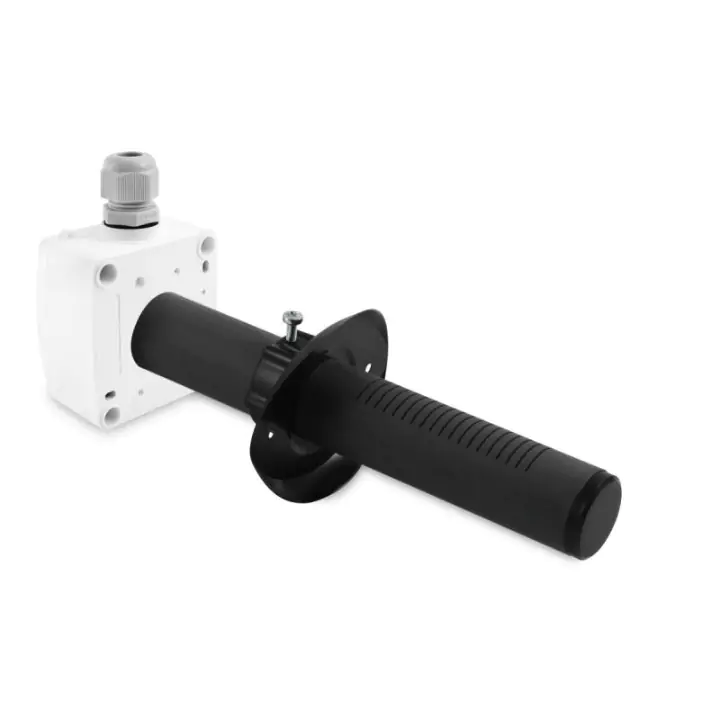
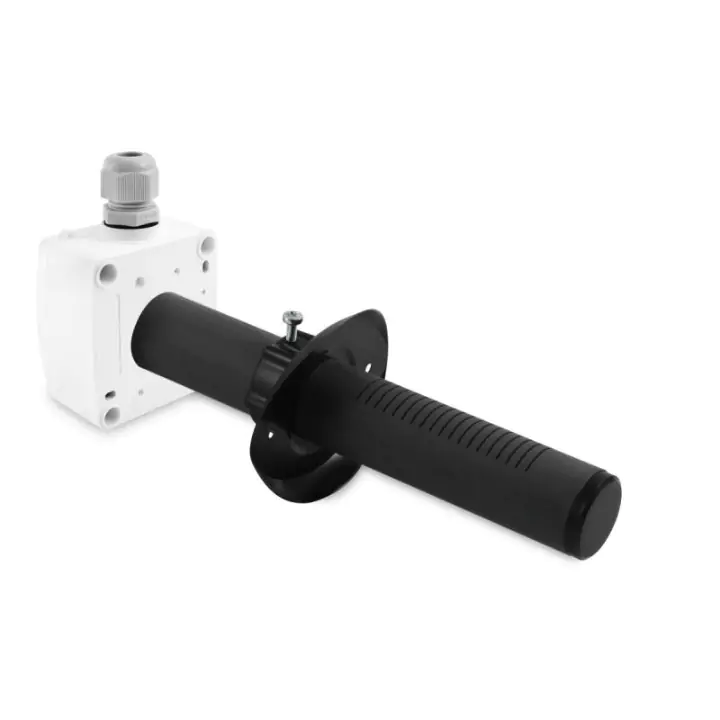
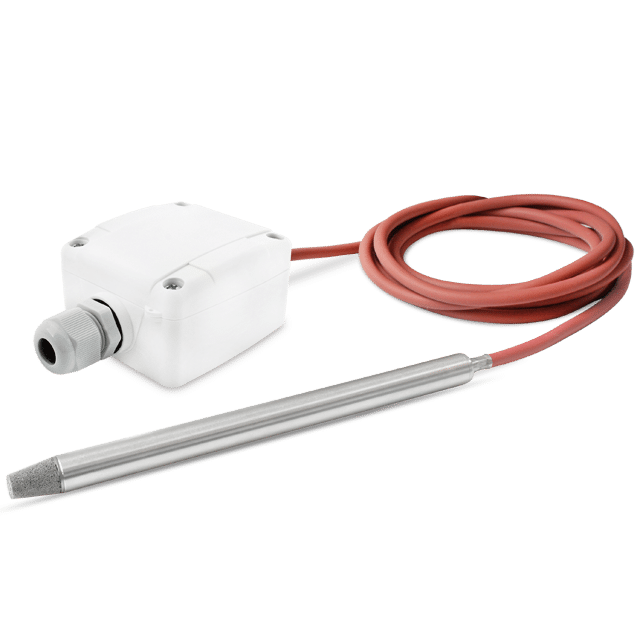
Various models of Modbus Sensors



Key Differences
BACnet and Modbus sensors are essential for automation but serve different purposes. BACnet is ideal for Building Automation, excelling in HVAC control, lighting, energy management, and indoor air quality monitoring. It’s best for commercial buildings, offices, and smart buildings, offering advanced features and seamless integration with modern building management systems (BMS).
Modbus is a robust, simple protocol designed for industrial automation. It’s widely used in industrial process monitoring, water/wastewater management, predictive maintenance, and SCADA systems. Modbus is perfect for factories, power plants, and utility networks, especially where cost-effectiveness and reliability are key.
- BACnet: Building-focused, scalable, and IoT-friendly.
- Modbus: Industry-focused, simple, and cost-effective.
For advanced solutions, consider BACnet Multi Sensor, which integrates multiple sensing capabilities to enhance automation performance and streamline system efficiency.