If Alexa was built today, she’d probably be out of a job tomorrow.
Because the future isn’t a single assistant with one brain. It’s a network of smart AI voice assistant devices on your walls, each one fluent in ChatGPT, Gemini, Grok and Perplexity – and that’s exactly what we’re building at Andivi Labs.
We’re taking the idea of a smart speaker and quietly upgrading it into a minimalist AI voice assistant device for every room in your home and office – no clutter, no apps, no dopamine‑driven screens. Just pure LLM intelligence, always listening when you want it to, and totally silent when you don’t.
What is an AI voice assistant device?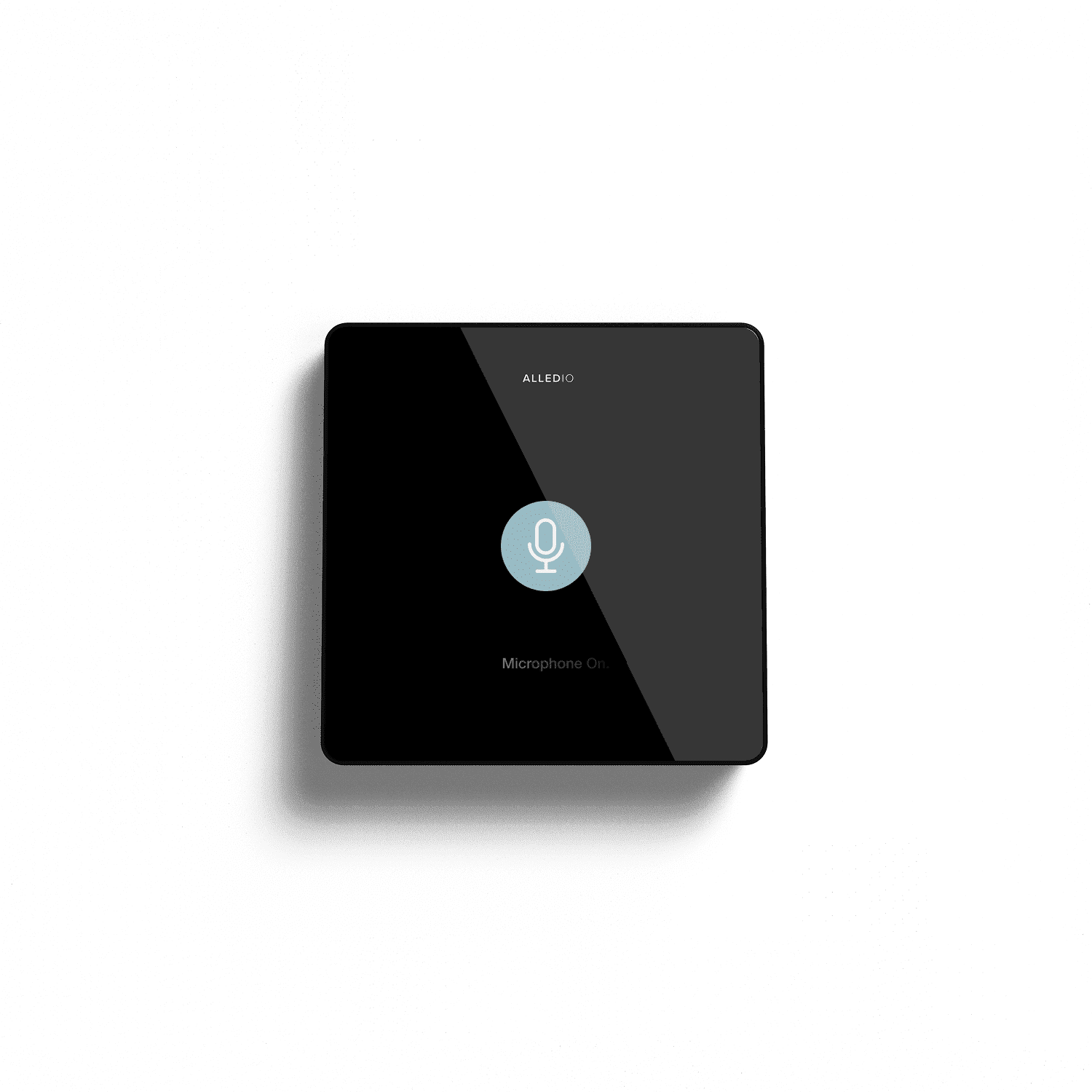
Let’s start with the basics.
Our AI voice assistant device is a physical smart speaker that you mount on the wall in any room. It listens, it talks, it controls things – but instead of Alexa’s brain, it taps into modern large language models: ChatGPT, Gemini, Grok or Perplexity.
Think of it as:
The Alexa‑style device for modern AI, but without Alexa
A voice‑first interface to whichever AI you prefer today – and whichever one you’ll prefer tomorrow
A room‑aware assistant that makes your home or office feel less like a gadget showroom and more like a coherent, helpful environment
You say a wake word, ask your question, and the device routes your request to the right model. Need creativity? Maybe ChatGPT. Need web‑fresh research? Perplexity. Need tight integration with another ecosystem? Gemini or Grok. The point is simple: you’re not locked in.
Built on the Alledio Room Unit
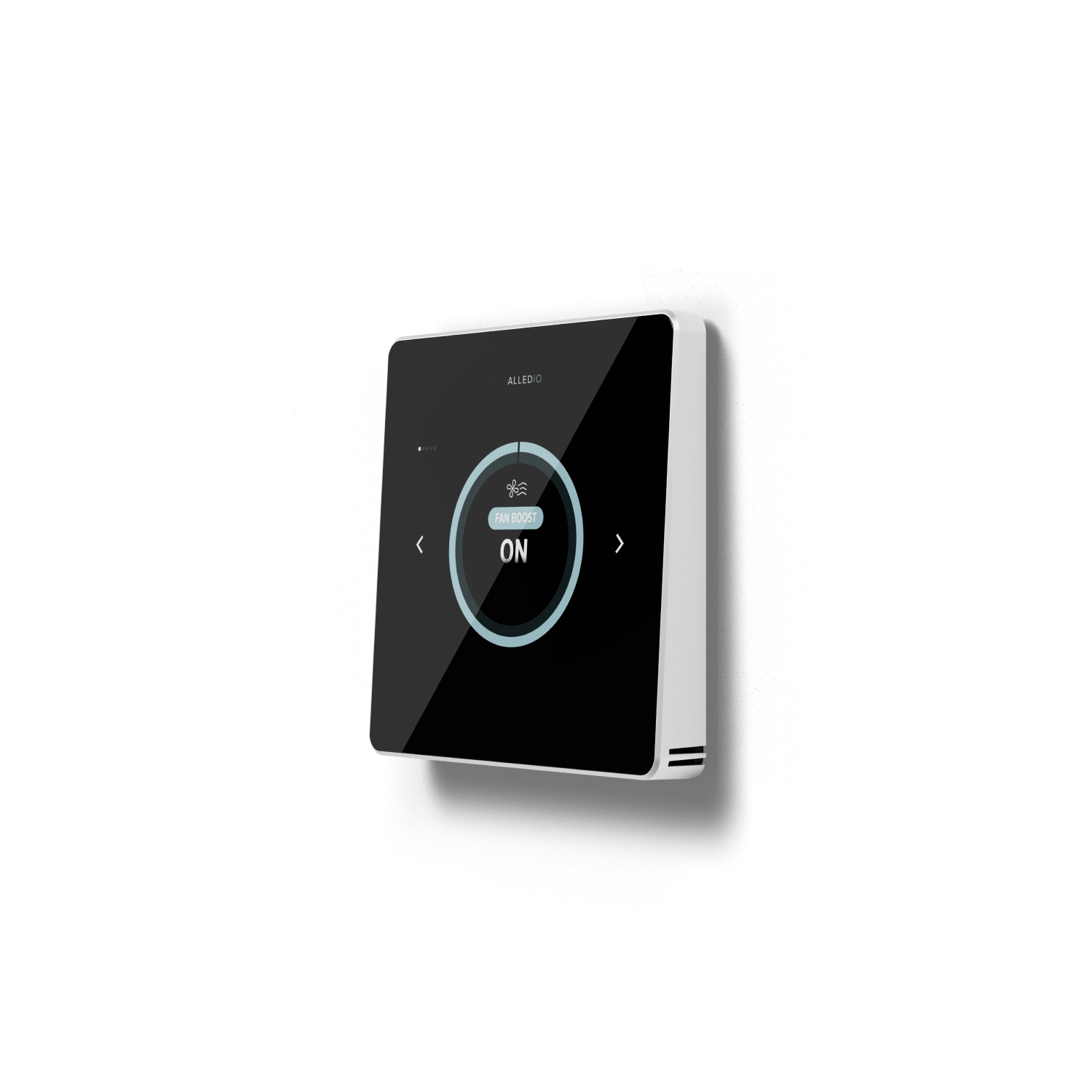
This project at Andivi Labs is rooted in real, battle‑tested hardware. Our AI voice assistant device is based on the Alledio Room Unit – a beautifully designed, wall‑mounted unit originally created for smart building control.
By using the Alledio Room Unit as the foundation, we gain a mature hardware platform: a clean front, reliable wall integration, and a form factor that already feels at home in modern interiors. On top of that, we layer LLM intelligence from ChatGPT, Gemini, Grok and Perplexity, transforming a smart room controller into a room‑native AI voice assistant device.
Designed for walls, not for spec sheets
Most gadgets yell at you with RGB lights, touchscreens, and 37 “smart” features you forget after week one.
This device goes the other way.
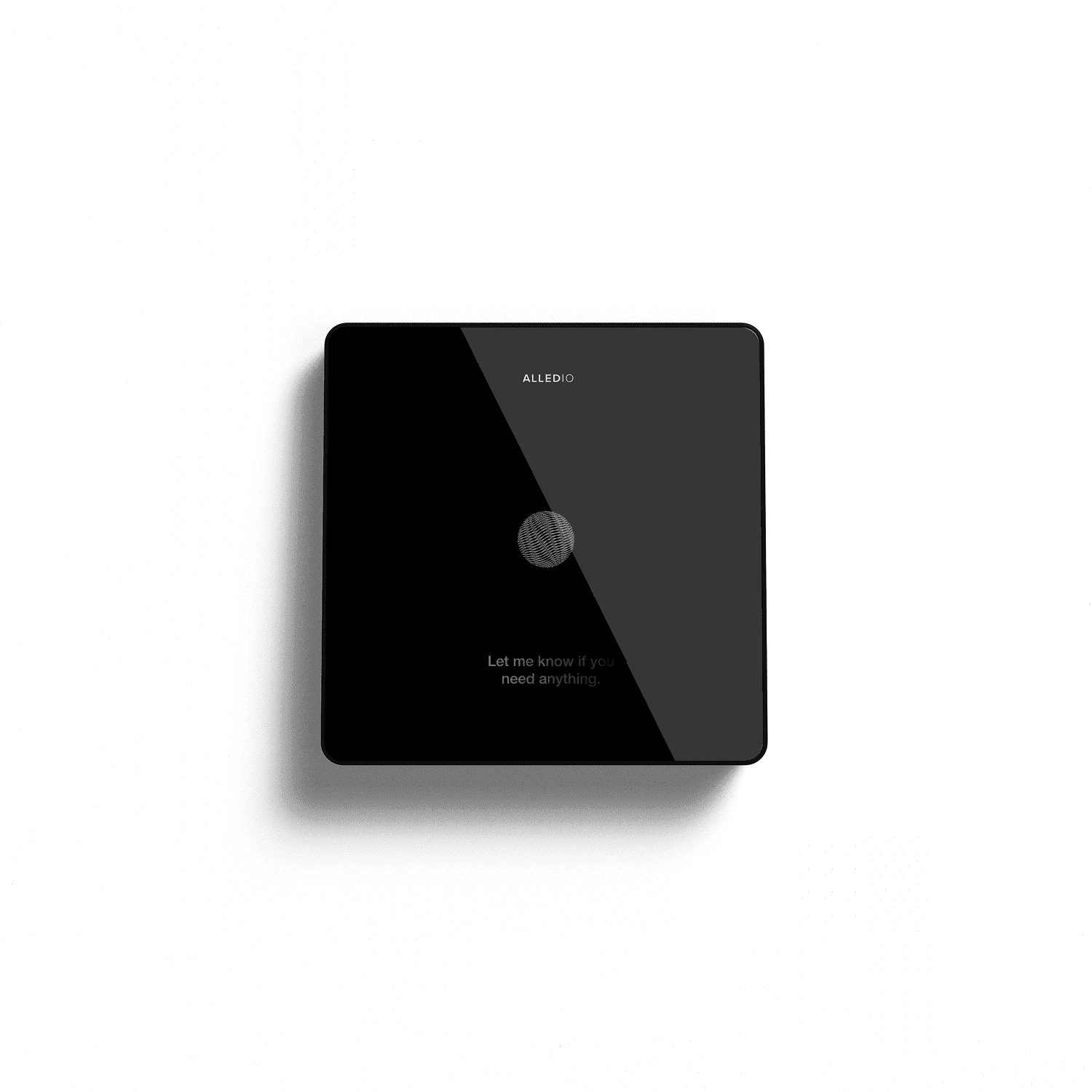
It’s wall‑mounted: designed to live permanently on the wall of every room – like a light switch that happens to be incredibly smart. The hardware is minimalist: a clean, distraction‑free front, with one physical mute control and a subtle text display. No rainbow neon, no animated mascots, no screaming notifications.
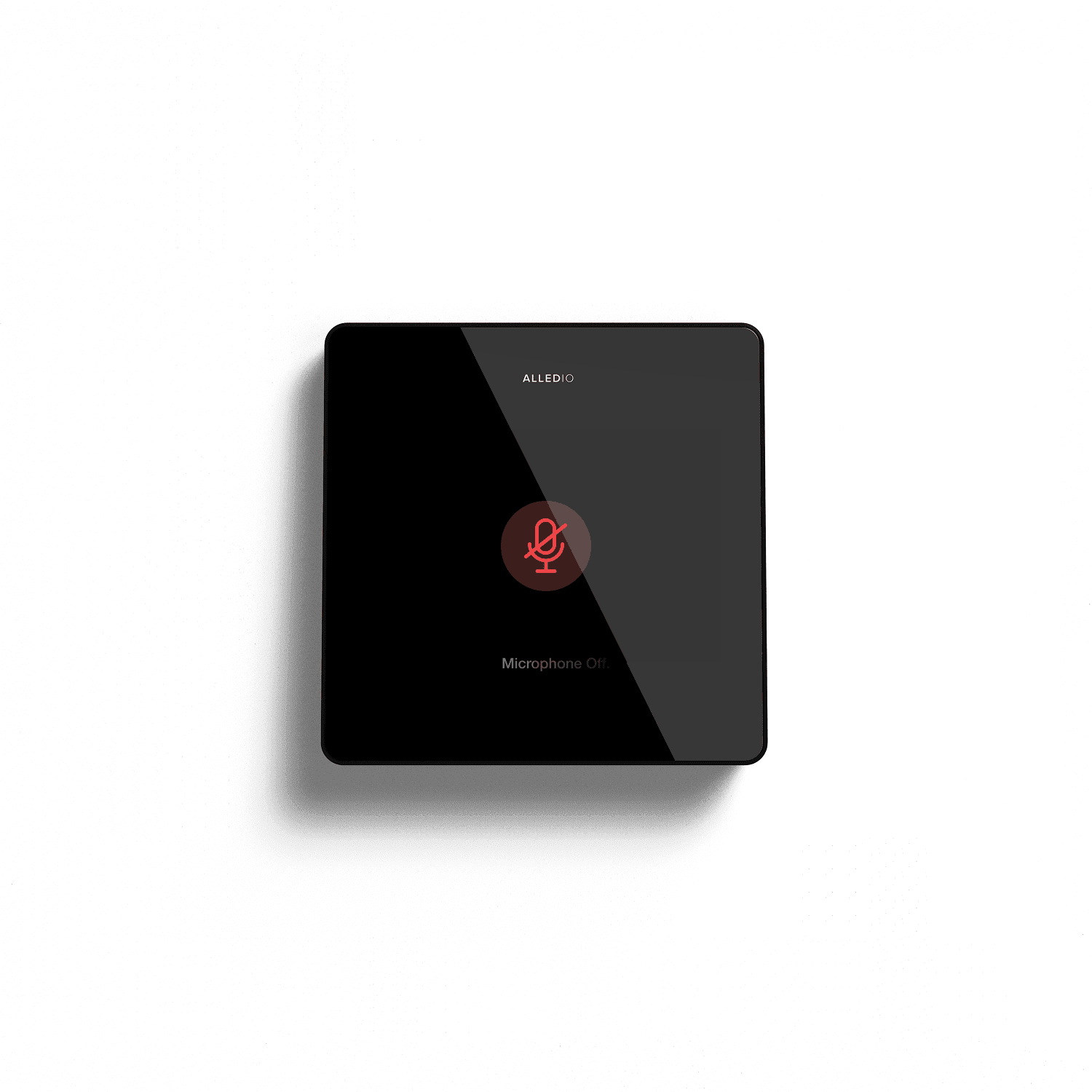
Mute on/off is visibly obvious. When the mic is muted, you see it. When it’s listening, you explicitly know. Privacy isn’t buried in settings; it’s a flick of a switch.
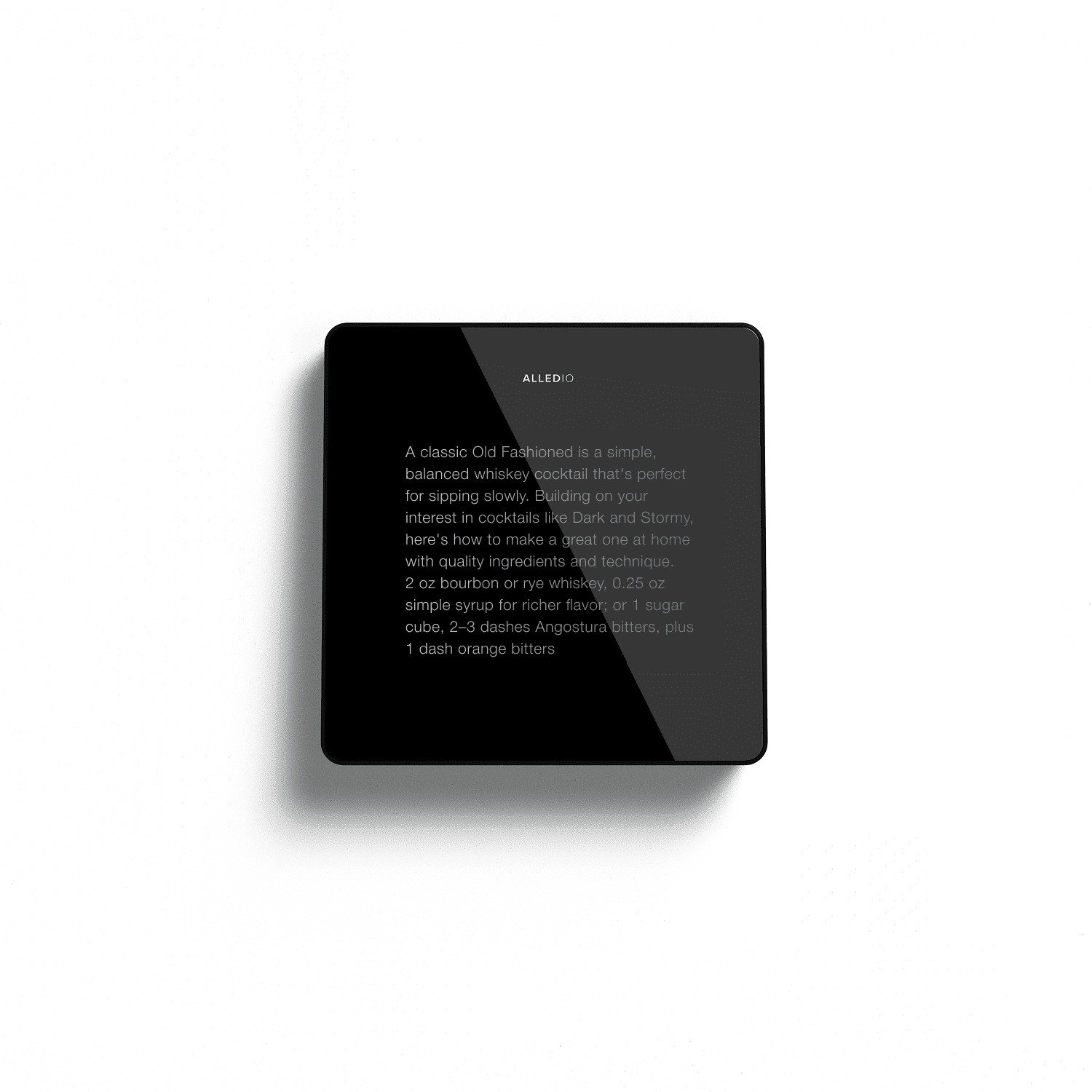
The text answer display is there for those moments when you don’t want a full voice reply booming across the room. The device can simply show a short, readable text snippet of the answer – perfect for quick checks, confirmations, or late‑night, don’t‑wake‑the‑household queries.
The interface philosophy is simple: no noise, no anything. Just intelligence. You speak. It thinks. It answers. That’s it.
And because our goal is a device on the wall of every room, the hardware is being designed for an accessible price point – something you can justify in the kitchen, the kid’s room, the hallway and the office, not just the “fancy” living room.
Home use cases: every room gets a brain
A single AI voice assistant device is useful. An entire apartment full of them starts to feel like a coordinated nervous system for your home.
Kitchen: your sous‑chef with a brain
In the kitchen, the device becomes your culinary co‑pilot.
You can ask:
“How do I save this sauce, it’s too salty?”
“Create a 3‑day meal plan with what I have in the fridge.”
“Set a timer for the pasta, send the recipe to my phone, and add missing ingredients to my shopping list.”
Hands stay messy, voice stays in control. No phones balanced on flour‑covered counters, no doom‑scrolling while your onions burn.
Living room: the calm control center
In the living room, your AI voice assistant device acts as a thinking layer for daily life.
You might say:
“Summarize today’s news in under 60 seconds, no clickbait.”
“Draft a polite message to our landlord about the heating issue.”
“Recommend a movie we’ll both like, based on our last 10 watches.”
Instead of juggling apps and remotes, you talk to the wall – and it replies with structured, useful information, powered by models like Perplexity or ChatGPT.
Kids’ room: curious, but safe
For kids, the device becomes a curiosity engine with guardrails.
Examples:
“Explain black holes like I’m 9.”
“Turn this bedtime story into a pirate version, but keep it age‑appropriate.”
“Help me with my math homework, but don’t just give me the answer.”
By carefully configuring which models and behaviors are allowed, you create a child‑friendly assistant that fuels learning without turning the room into a notification circus.
Bedroom: quiet, private, and helpful
In the bedroom, the assistant is a soft‑spoken executive assistant.
You might ask:
“Talk me through a 5‑minute wind‑down routine.”
“Set an alarm and send a quick ‘good night, I’ll respond in the morning’ reply to unread chats.”
It’s there to offload mental overhead, not to flood you with blue light at midnight.
Hallway or entrance: micro‑decisions, solved
Placed near the entrance, the device becomes the last‑minute sanity check before you step out.
For example:
“What’s the weather, and what should I wear for a 15‑minute walk plus an office day?”
“Remind me of the three key points for my 10am meeting as I leave.”
“Is there traffic on my usual route? Suggest a faster one.”
One question as you grab your keys, one answer that actually helps.
Office use cases: from meetings to mental bandwidth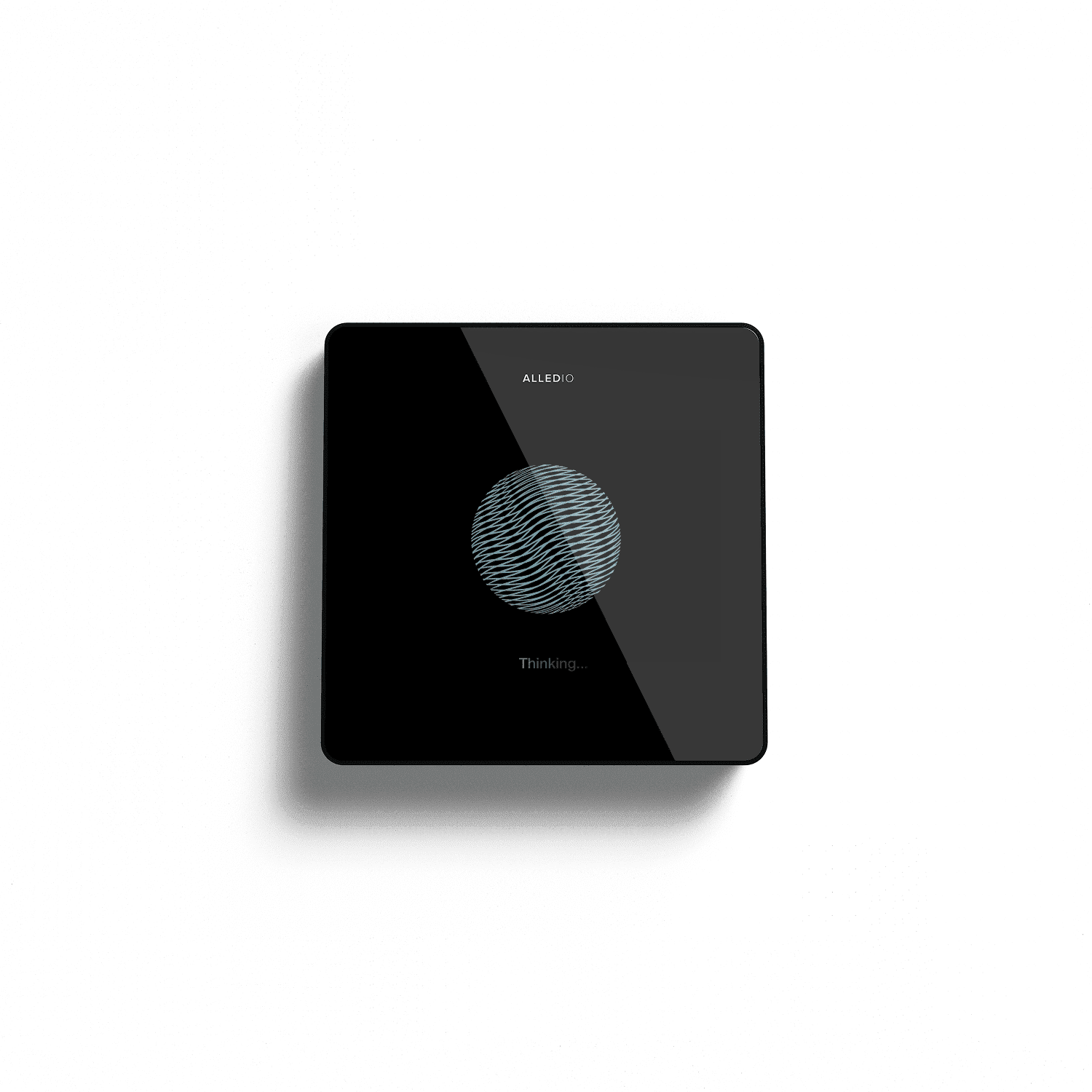
Now imagine the same AI voice assistant device on the wall of your office or meeting room.
Meeting rooms: finally, meetings that remember themselves
With consent, the device can handle meeting transcription and action item extraction.
You can say:
“Summarize the last 30 minutes and list who needs to do what.”
“Email the action points and decisions to everyone in the room.”
No more “Who was supposed to do that?” – the room itself becomes the collective memory, powered by models like Gemini or Grok.
Focus zones: cognitive load balancers
In focus areas, the device becomes a conversion engine for messy thoughts.
Ask it to:
“Turn these messy notes into a clear project brief.”
“Rewrite this email to be firm but polite.”
“Summarize this 10‑page PDF while I grab a coffee.”
You offload structure and wording to AI, and keep your brain for judgment and decisions.
Open office: the ambient operations brain
In open spaces, you get a shared assistant wired into the room.
Examples:
“What’s our current sprint status?”
“Create a one‑paragraph update for the client from our task board.”
“Turn these three Slack threads into a single, readable summary.”
Instead of ten people opening ten tabs of ChatGPT or Perplexity, the room has one calm voice everyone can tap into.
Creative spaces: brainstorming on tap
In creative studios, the device is a tireless brainstorming partner.
Try prompts like:
“Give us 10 wild ideas for a launch campaign, no budget constraints.”
“Now refine idea #3 into a realistic version with our actual constraints.”
“Rewrite this tagline in three different tones: playful, premium, technical.”
You get continuous iteration without exhausting the humans in the room.
Why price matters: intelligence at scale
We’re not designing a sculpture for a single corner of a tech‑founder penthouse.
We’re designing a network of affordable AI voice assistant devices that can realistically sit on the wall of every room.
The value emerges when your whole environment becomes intelligent, not just one gadget. Every additional room adds context – more place‑awareness, more continuity, more usefulness.
To make that possible, the device has to be beautiful, robust and accessible in price – something you can multiply without thinking twice. We care more about 20 modest devices in real homes and offices than one ultra‑luxury toy.
Want to be part of this?
At Andivi Labs, this is currently an internal project – but it’s not a closed story.
If you:
Have ideas for new home or office use cases
Want to explore hardware cooperation, integrations or custom deployments
Are excited about multi‑model voice interfaces with ChatGPT, Gemini, Grok and Perplexity
…we’d genuinely love to hear from you.
Whether you’re a developer, designer, researcher, hardware manufacturer, or simply someone with a sharp idea for how an AI voice assistant device should behave, reach out. The most interesting things in this space will not be built by one company in isolation.
This is our bet: the next wave of AI doesn’t live in your browser tabs – it lives on your walls, quietly listening for when it can actually make your life easier.
If you were to put one of these devices in just one room first, which room would you choose?